Written by Nicole Darch, Somerset Safeguarding Children Partnership (SSCP) Project Support Officer
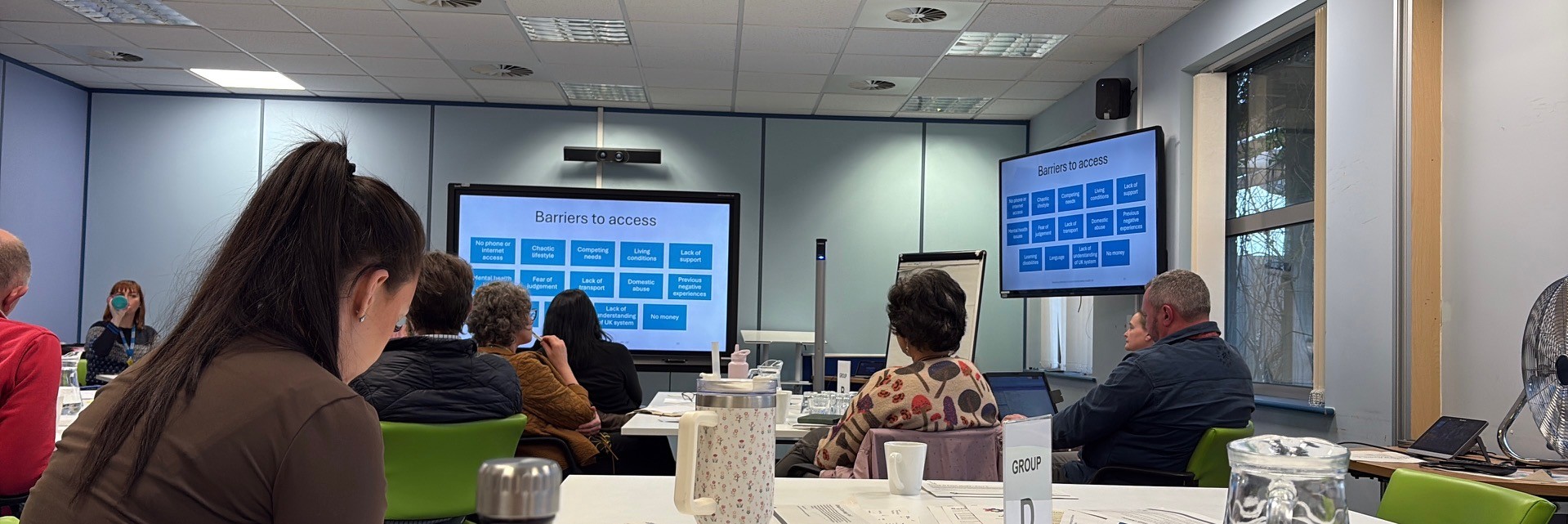
This quarter, myself and my colleagues from the SSCP were pleased to attend a comprehensive training session delivered by the Somerset Integrated Care Board, focusing on strengthening Trauma Informed practice across Somerset. The day brought together a range of perspectives and practical learning, making it a valuable experience for all attendees.
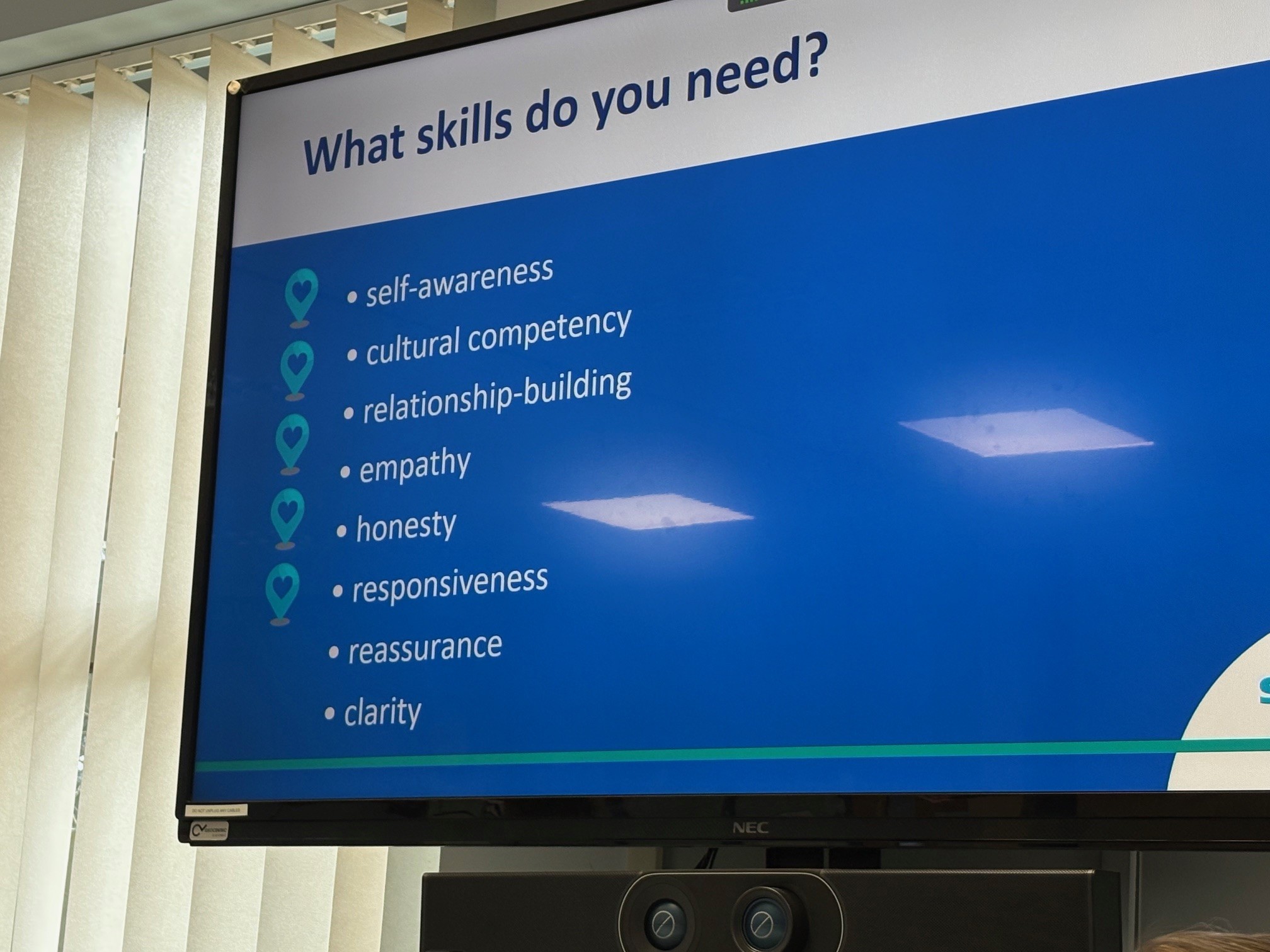
The session opened with an overview of trauma‑informed approaches led by the SSCP, setting the foundation for reflective discussion. Attendees then heard a powerful lived experience account of gambling harm and the impact of inter-generational trauma from Andy Gaillie, who spoke about the impact of gambling harm and how this can escalate into wider safeguarding concerns, including domestic abuse. His insight also highlighted how major events, such as the World Cup or Euros can lead to increased gambling behaviours and consequently, a rise in associated domestic abuse, reinforcing the importance of early awareness and preventative action within frontline practice.
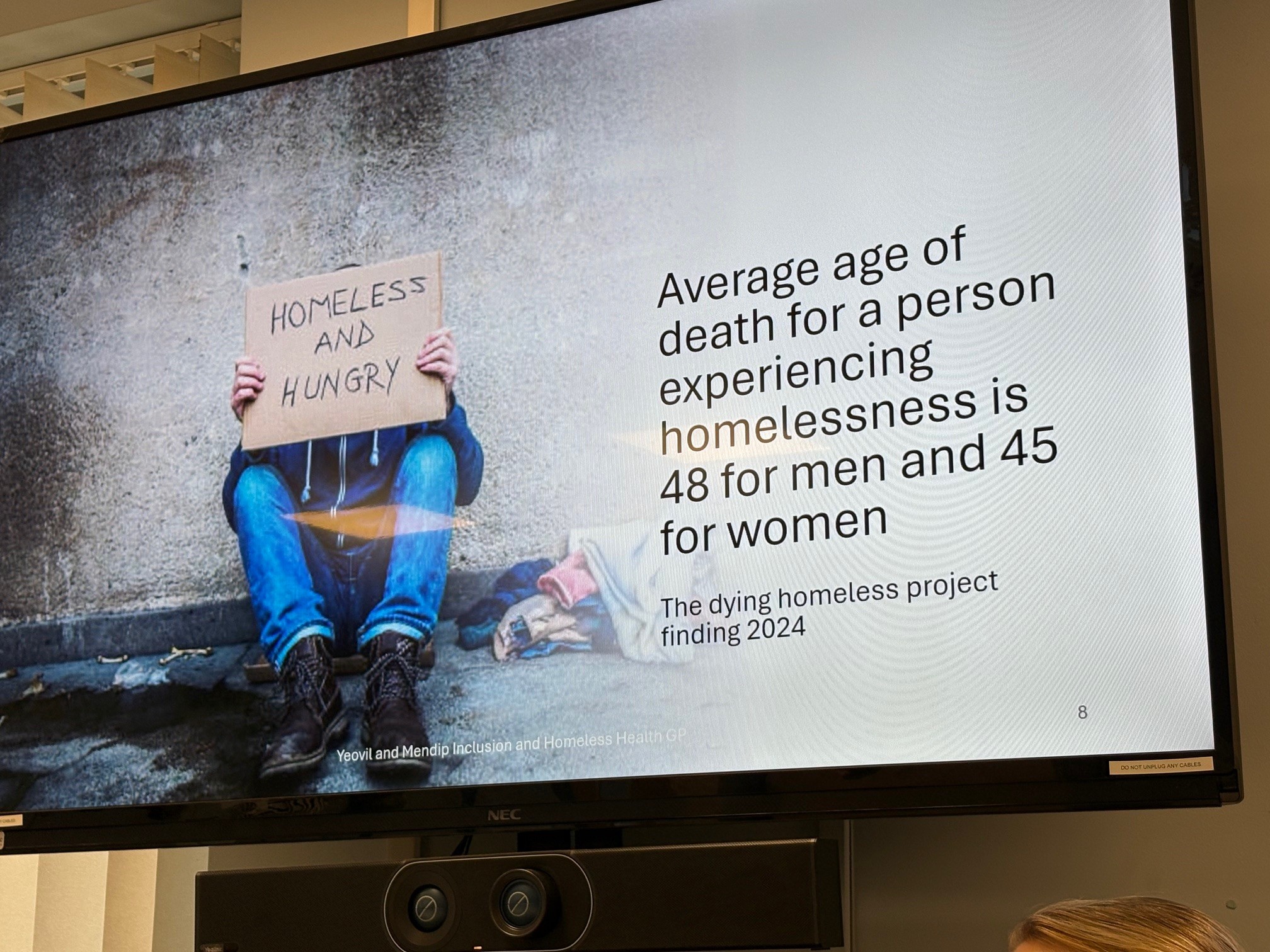
The session included contributions on working effectively with care‑experienced individuals, highlighting the importance of understanding their unique perspectives and the lasting impact of early adversity. This was followed by a fascinating presentation from Laura Devlin, Inclusion and Homeless Health GP, who provided an overview of the Homeless Health Service in Somerset. She outlined how the team supports people experiencing homelessness using a trauma‑informed approach, ensuring care is delivered with sensitivity, consistency, and an awareness of the complex challenges many individuals face.
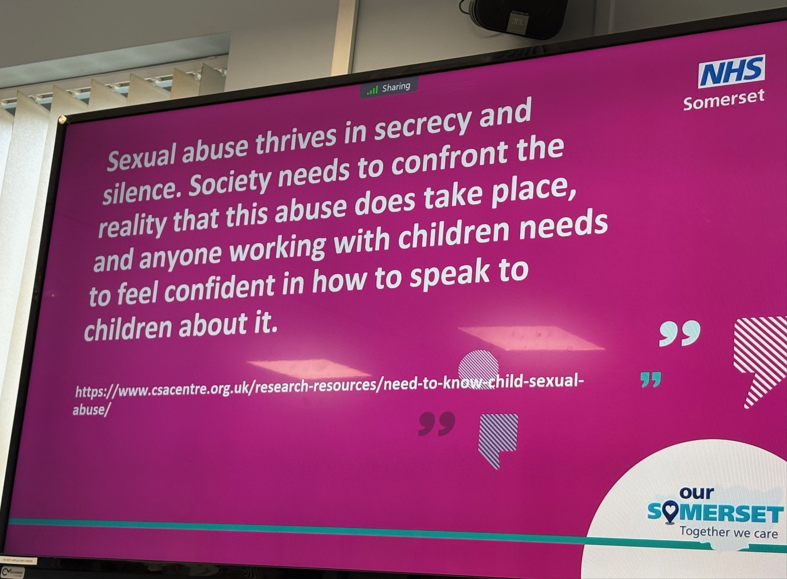
The training also covered early indicators of sexual abuse, offering practitioners practical guidance on recognising subtle signs of harm and responding appropriately. This section reinforced the importance of professional curiosity and early intervention in safeguarding both children and adults at risk.
A key feature of the day was a table based case study, these differed between tables and involved both adults and children. Conversation about best practice responses and trauma sensitive decision making was considered and feedback was provided to the wider group. It was insightful to hear a range of perspectives and proposals about next steps to managing the situation.
With GP practitioners making up the majority of attendees, the event provided an excellent opportunity to share perspectives across health and social care. It was an encouraging reminder of the collective commitment in Somerset to embed trauma‑informed principles in everyday practice.